Whales: Giants of the Ocean
Whales: Giants of the Ocean Whales are among the largest and most remarkable animals on Earth. These marine mammals live...
Read More →

A Home Health Aide is a trained person who can come to a Veteran’s home
and help the Veteran take care of themselves and their daily activities.
Caring for an aging parent or loved one is one of life’s most meaningful
responsibilities — but it can also be overwhelming. As people age, their
physical and emotional needs change, and it’s not always easy to tell when
extra help is needed. Some signs that your loved one needs home health care can
be subtle — small changes in routine, mood, or mobility that are easy to overlook.
At Lar Care Services in Chester, SC, we specialize in providing compassionate,
personalized home care designed to support families and seniors. Our mission
is to help your loved one live safely, comfortably, and with dignity.Here are
10 important signs that it might be time to consider professional home
health care assistance for someone you care about.
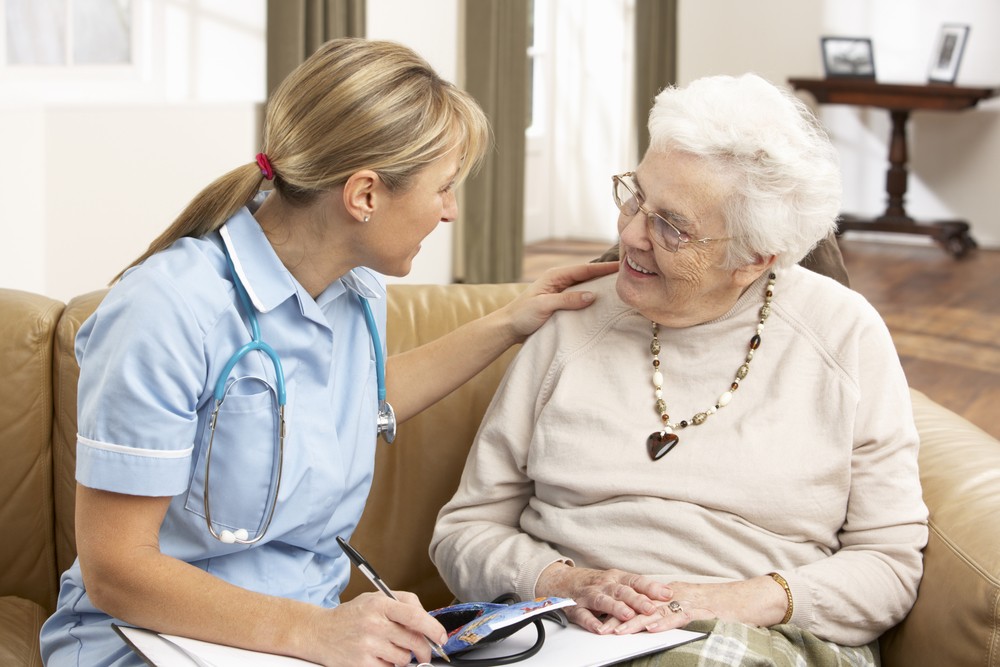
If your loved one is struggling with daily routines like dressing, bathing,
grooming, or cooking, it’s often one of the earliest signs that extra help is needed.
Why it matters: Struggling with everyday tasks can lead to poor hygiene, malnutrition,
and loss of confidence.
How home care helps: Professional caregivers at Lar Care Services assist with daily routines while encouraging independence and safety — ensuring your loved one’s dignity is always respected.
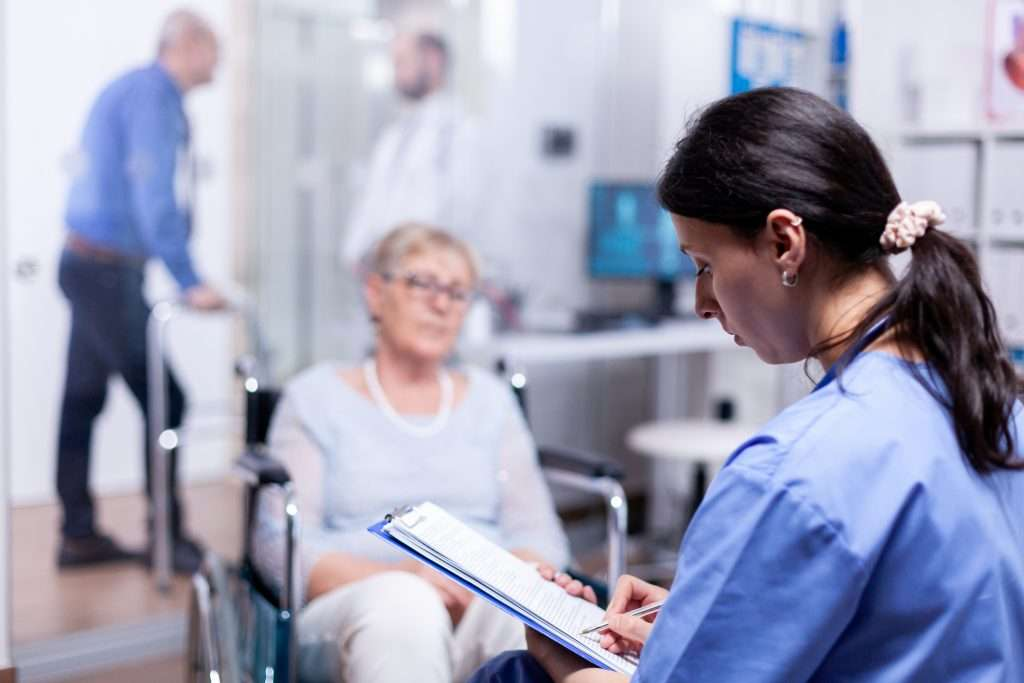
Loneliness is one of the most common challenges older adults face.
Isolation can lead to depression, anxiety, and even physical decline.
How home care helps: Caregivers offer companionship, conversation,
and social engagement that brighten your loved one’s day and improve emotional well-being.
If your loved one has fallen recently or seems unsteady, this is a serious
red flag. Falls are among the most common causes of injury for
seniors and can drastically impact mobility and confidence.
How home care helps: Our caregivers provide mobility support,
home safety checks, and fall-prevention strategies to reduce risks
and keep your loved one safe at home.
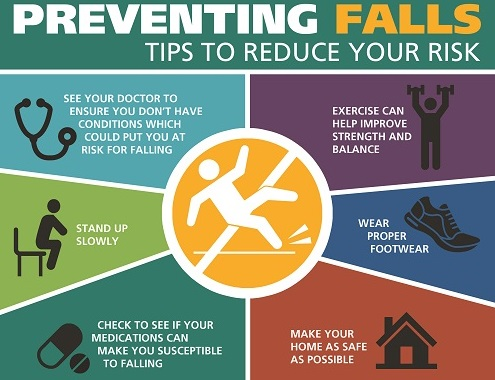
If your loved one has fallen recently or seems unsteady, this is a serious
red flag. Falls are among the most common causes of injury for
seniors and can drastically impact mobility and confidence.
How home care helps: Our caregivers provide mobility support,
home safety checks, and fall-prevention strategies to reduce risks
and keep your loved one safe at home.
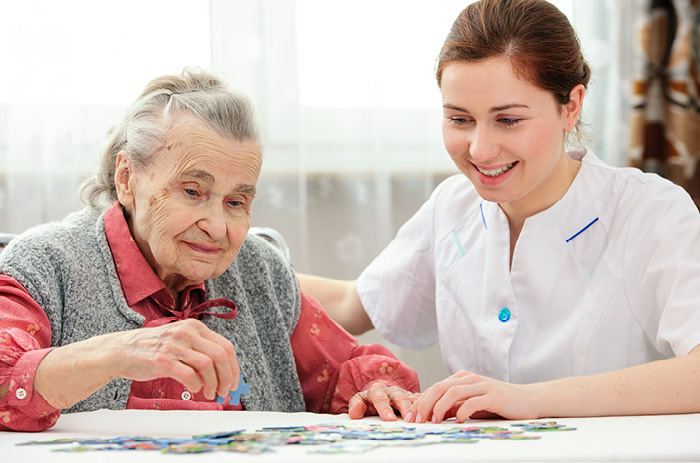
Forgetting to take medications — or taking the wrong ones
— can have serious health consequences.
How home care helps: Home caregivers help seniors manage
prescriptions properly, remind them of medication schedules,
and coordinate with healthcare providers when needed.
Unintentional weight loss, skipped meals, or lack
of appetite may be signs that your loved one isn’t eating properly.
How home care helps: Our caregivers prepare healthy meals,
encourage hydration, and monitor nutrition to keep seniors
strong and energetic.
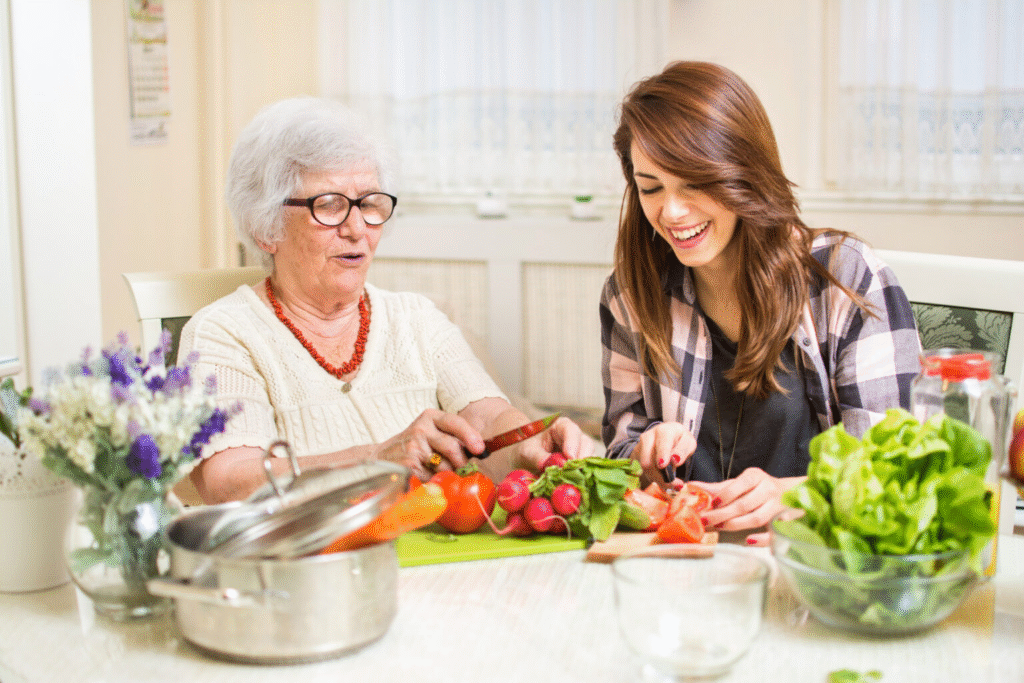
If your loved one is neglecting personal hygiene or wearing unwashed clothes,
it may be a sign that everyday tasks have become too difficult.
How home care helps: Gentle assistance with bathing, grooming,
and dressing helps maintain self-esteem and overall healt
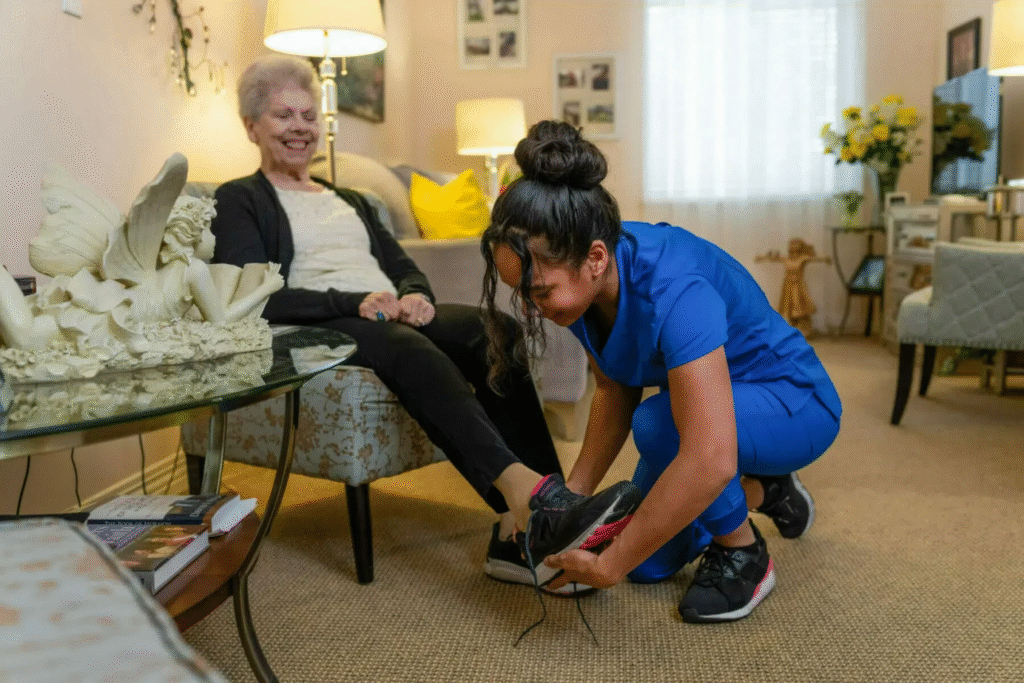
Sudden mood swings, frustration, or withdrawal can often signal underlying emotional
or physical stress.
How home care helps: Trained caregivers recognize changes early and provide
consistent emotional support, helping your loved one feel calmer and more secure.
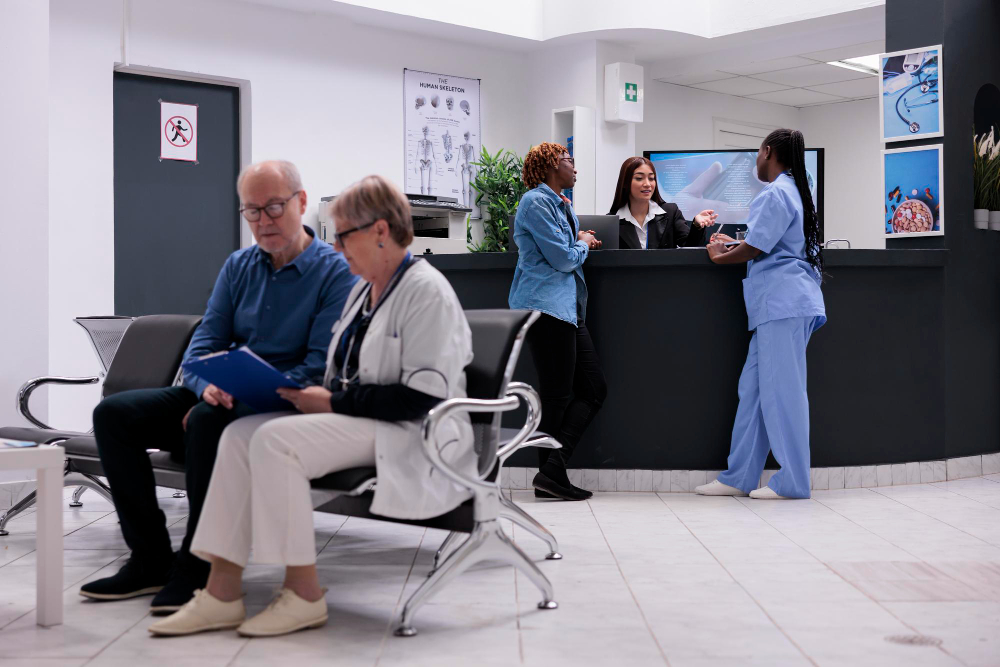
Multiple hospital visits or medical emergencies suggest that your loved one may
need closer attention and daily monitoring.
How home care helps: Regular in-home care prevents health complications
by offering proactive support and ongoing supervision.
When family caregivers feel emotionally or physically exhausted, both they and
their loved one suffer.
How home care helps: Professional caregivers offer relief so family members
can rest and recharge, knowing their loved one is in good hands.
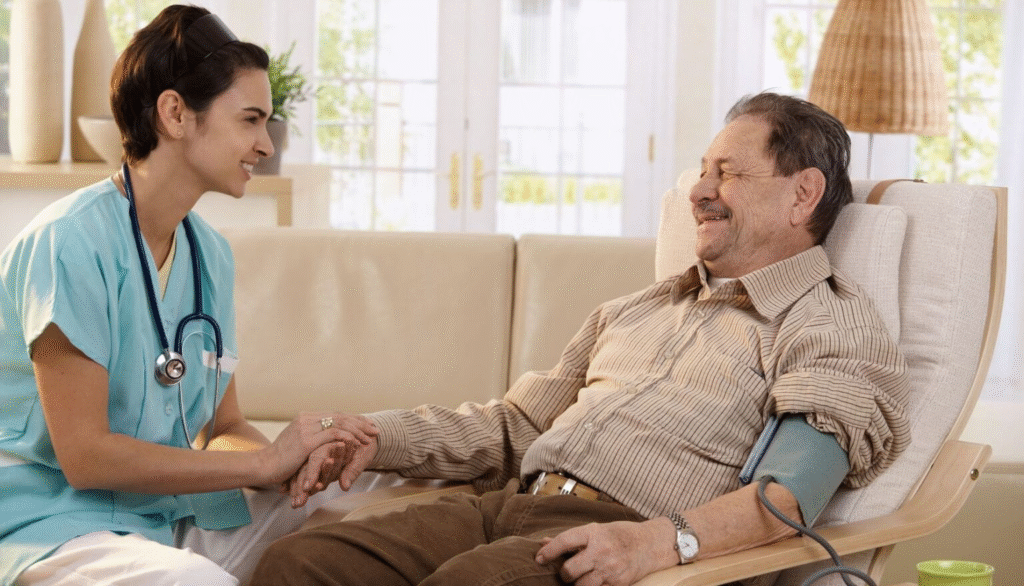
Recognizing the signs that your loved one needs home health care is an act of love
and responsibility. Early support can make all the difference in maintaining
their health, happiness, and independence.
At Lar Care Services, we provide compassionate, professional care for
seniors — including Alzheimer’s support, daily assistance, and 24/7 in-home care.
Prioritize Security Strategies and Responsible Play Licensing is often the...
Read MoreAplicación móvil para streaming de crupieres reales El atractivo de...
Read MoreAbuking Casino Bewertung richtig lesen Was eine Casino-Bewertung tatsächlich prüfen...
Read MoreOur Company
Contact